Exploring Body Weight Science: Nutrition Fundamentals Explained

An independent educational resource dedicated to explaining nutrition science and body composition through evidence-based information aligned with British nutritional standards.

Fresh British vegetables at farmers market

Introduction to Nutrition Science

Understanding how our bodies work with food is a fascinating journey into biology, chemistry, and everyday health. This resource provides comprehensive educational information about the fundamental principles that govern how nutrition affects body composition, energy levels, and overall wellbeing.

The study of nutrition encompasses the complex relationships between the foods we eat, how our bodies process them, and the subsequent effects on our health and physical form. Rather than offering prescriptive advice, this site explains the underlying science so you can better understand the principles at work.

This is an informational platform, not a medical service. All content is presented for educational purposes only, drawing from established nutritional science and British health standards.

Core Principles of Energy Balance

Understanding Energy Flow

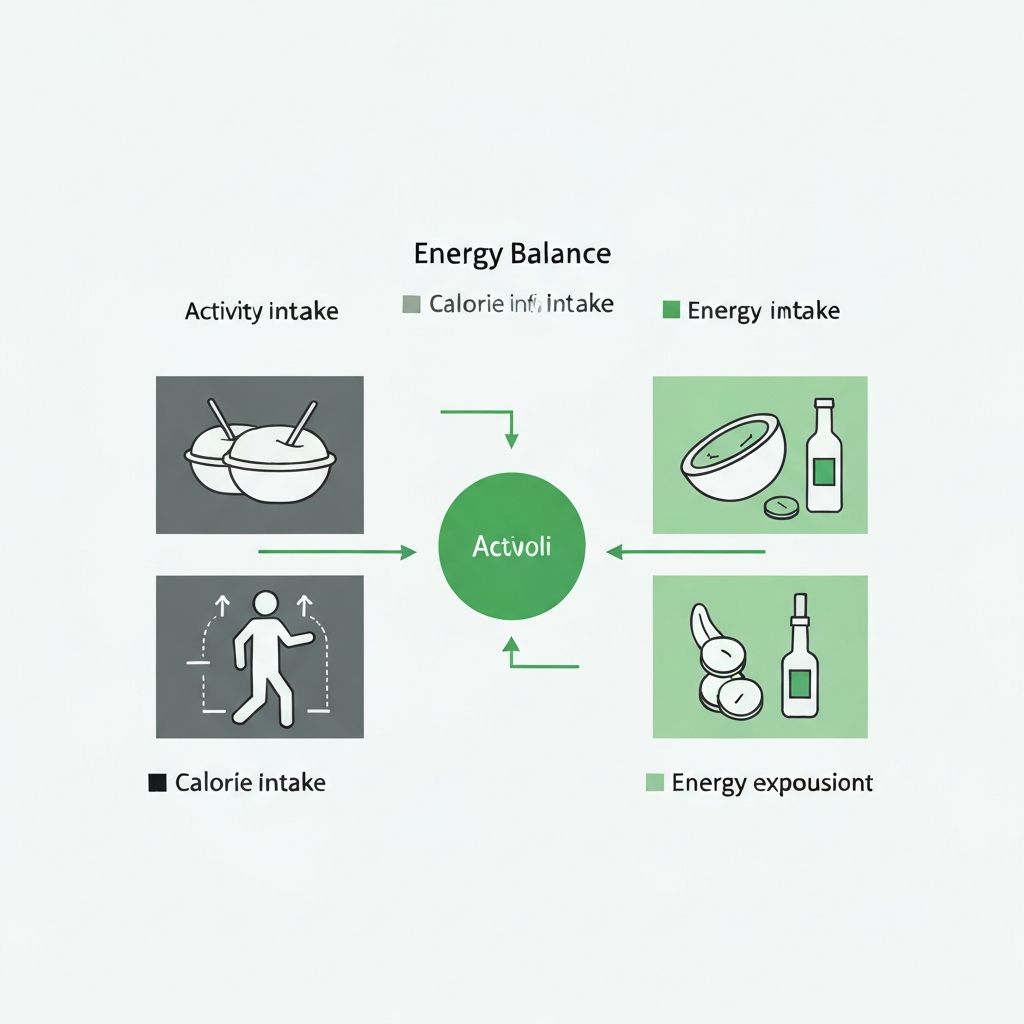
At the heart of body weight science lies a fundamental principle: energy balance. The human body operates on the basic physics of energy intake versus energy expenditure. When we consume food, our bodies extract energy from nutrients. This energy is then used for basic functions, physical activity, and the maintenance of our tissues.

The concept of calories represents units of energy. Different foods contain different amounts of energy per gram. Carbohydrates and proteins contain approximately 4 calories per gram, while fats contain about 9 calories per gram.

Understanding this balance—not as a prescriptive diet tool, but as a scientific reality—helps explain why body composition changes over time and why different approaches to nutrition produce different results across diverse populations.

Energy balance concept visualization

Understanding Food Components

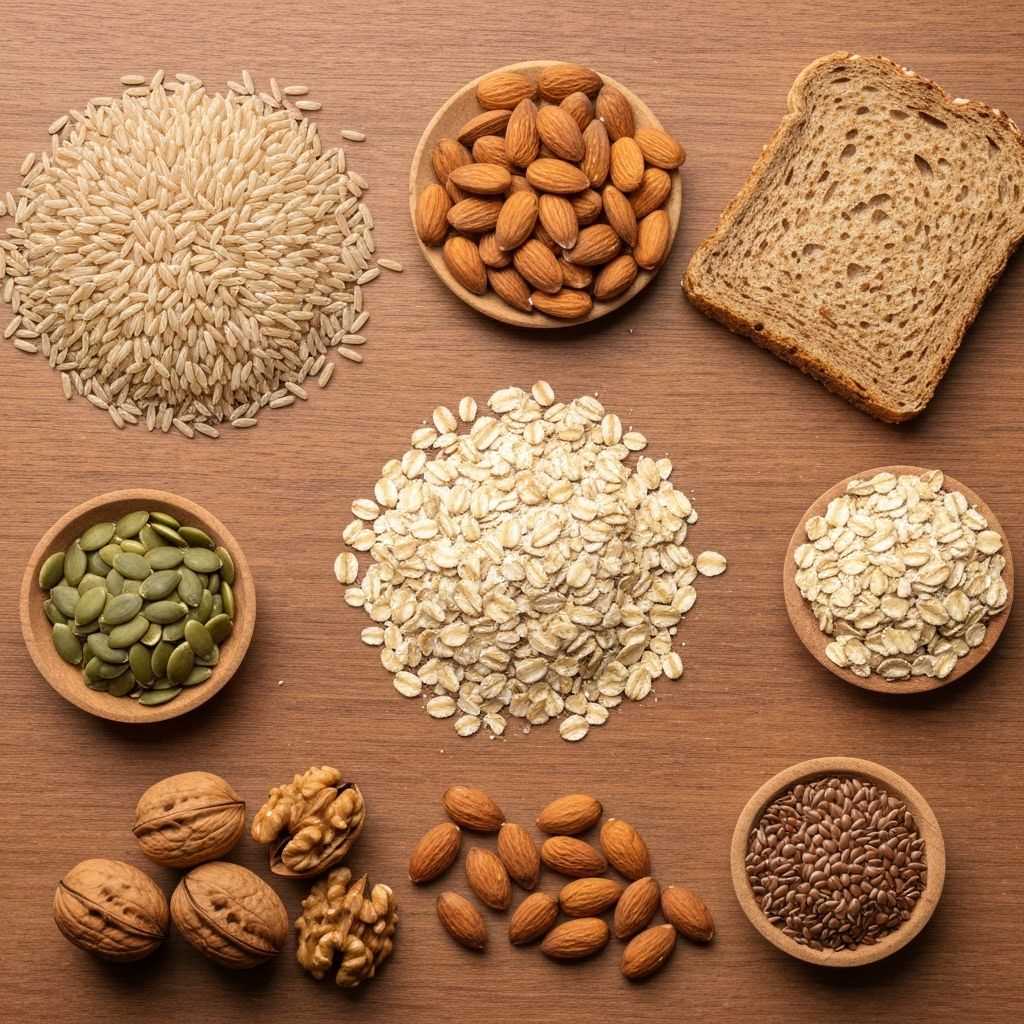
Whole grains and nuts

Macronutrients and Their Roles

Food provides three primary macronutrients, each serving distinct and essential functions in the body:

Carbohydrates are the body's preferred fuel source. They include simple sugars, starches, and fiber, each playing different roles in energy delivery and digestive health. Found in grains, vegetables, fruits, and legumes.

Proteins are essential for building and repairing tissues, producing enzymes, and supporting immune function. They also play a role in satiety—the feeling of fullness after eating. Proteins are found in meat, fish, eggs, dairy, legumes, and plant-based sources.

Fats provide concentrated energy and support the absorption of fat-soluble vitamins. They are essential for hormone production and cell structure. Dietary fats come from oils, nuts, seeds, fatty fish, and various whole foods.

Micronutrients: Vitamins and Minerals

Beyond macronutrients, our bodies require vitamins and minerals in smaller quantities. These micronutrients support virtually every biological process—from bone health to immune function to energy metabolism.

Vitamins such as B vitamins, vitamin C, and vitamin D support different physiological systems. Minerals like iron, zinc, calcium, and magnesium are essential for oxygen transport, immune function, bone strength, and enzyme activity.

A diet rich in diverse whole foods—vegetables, fruits, whole grains, legumes, nuts, seeds, and animal products—naturally provides the spectrum of micronutrients our bodies require.

Diverse protein sources

Lifestyle Elements Beyond Food

People engaged in daily physical activity

The Broader Context of Body Composition

While nutrition plays a significant role in body composition, several other lifestyle factors contribute meaningfully to overall health and physical form:

Physical Activity influences how the body uses energy and affects both muscle and fat composition. Different types of movement—from gentle walking to structured exercise—produce varying metabolic effects.

Sleep Quality and Quantity affects hormones that regulate appetite and metabolism. Adequate sleep supports recovery and influences energy balance.

Hydration is essential for every metabolic process. Water supports digestion, nutrient transport, temperature regulation, and countless other functions.

Stress Levels influence hormonal patterns and can affect eating behaviors and energy distribution in the body.

These elements work together with nutrition in a complex system. Understanding this interconnectedness helps explain the variability in how different people respond to nutritional choices.

Common Nutrition Myths Clarified

Separating Fact from Fiction

Nutrition science has accumulated substantial evidence over decades of research. Yet misconceptions persist. Here are some clarifications based on established science:

Myth: Specific foods burn calories or melt fat. Fact: No food has the ability to independently alter body composition. What matters is total energy intake relative to expenditure and the overall quality of the diet.

Myth: Carbohydrates are inherently bad for body composition. Fact: Carbohydrates are an essential macronutrient. The quality and quantity matter, not the category itself.

Myth: Eating frequently boosts metabolism. Fact: Meal frequency has minimal impact on metabolism. Total daily intake matters far more than meal timing or frequency.

Myth: All calories are equal. Fact: While calories measure energy, different foods produce different metabolic responses and satiety effects in the body.

Myths versus facts visualization

Featured Articles

Explore detailed explorations of specific nutrition topics in our blog section.

The Science of Calorie Balance: Facts and Mechanisms

Dive deep into how energy balance actually works at the physiological level, exploring the mechanisms of energy intake, expenditure, and storage.

Continue reading

Proteins, Carbohydrates, Fats: Their True Roles in the Body

Understand what macronutrients actually do in your body, beyond the simplified narratives, including their metabolic roles and practical significance.

Continue reading

Beyond Diet: How Daily Habits Affect Body Composition

Explore the science behind sleep, movement, stress, and other lifestyle factors and their interconnection with nutrition and body composition.

Continue reading

Frequently Asked Questions

What is caloric intake and why does it matter?

Caloric intake refers to the total energy consumed through food and beverages. It matters because it relates to energy balance—the fundamental concept of how much energy enters the body. However, caloric intake is just one piece of the larger nutrition puzzle, and should be understood alongside food quality, nutrient density, and individual factors.

Can I change my body composition through nutrition alone?

Nutrition plays a significant role in body composition, but it works alongside other factors including physical activity, sleep, stress levels, genetics, age, and hormonal health. A comprehensive approach considering multiple factors produces different outcomes than focusing on nutrition in isolation.

Are some foods "forbidden"?

From a nutritional science perspective, no foods are inherently "forbidden." Rather, foods exist on a spectrum of nutritional density. A balanced diet can include diverse foods, with an emphasis on nutrient-dense choices. Individual preferences, tolerances, and cultural practices all play valid roles.

How much protein do I actually need?

Protein requirements vary based on age, activity level, health status, and individual factors. General guidelines suggest approximately 0.8 grams per kilogram of body weight for sedentary adults, with higher needs for those engaging in resistance training. Individual requirements differ significantly.

What role does hydration play in body composition?

Water is essential for every metabolic process, including digestion, nutrient transport, and temperature regulation. Adequate hydration supports optimal metabolic function. Thirst is generally a reliable indicator of hydration needs, though individual requirements vary based on activity level and climate.

How do genetics influence body composition?

Genetics significantly influence factors like metabolism rate, muscle fiber composition, fat distribution patterns, and appetite regulation. While lifestyle choices matter substantially, genetic background creates individual variation in how people respond to similar nutritional and activity patterns.

Can sleep really affect body composition?

Research demonstrates that sleep quality and duration influence hormones that regulate appetite and energy expenditure. Inadequate sleep is associated with different metabolic patterns and appetite regulation. Sleep should be considered an important component of overall health and composition management.

What is "metabolic rate" and can it be changed?

Metabolic rate refers to the total energy expended by the body at rest and during activity. While baseline metabolic rate is influenced by age, genetics, and body composition, it can be modestly influenced by factors like physical activity patterns and muscle mass development.


Educational Content Only

All content on this site is for educational purposes only. BritishNutriCheck provides informational resources about nutrition science and is not a medical service. This site does not offer personal medical advice, diagnosis, or treatment. Individual circumstances vary significantly, and appropriate guidance should come from qualified healthcare professionals familiar with your specific situation.

Continue Your Learning

This introduction provides foundational concepts in nutrition science. The complexity of human nutrition, the individuality of responses to different approaches, and the interconnected nature of health factors mean that no single source can address every question.

We encourage you to explore the detailed articles in our blog section for deeper dives into specific topics, and to approach nutrition as a science of understanding principles rather than following rigid prescriptions.

View our complete blog for more detailed articles